
Conservatory Roof Replacement in Linlithgow
Warm in winter, cool in summer — a real tiled roof for your conservatory, fitted by qualified roofers in Linlithgow.
Get my free quote
Leave three details and we’ll ring you back.
Free, no-obligation survey · Written quote · 10-year guarantee
Open Mon–Sat 9am–5pm
10-Year Guarantee
On all our workmanship
25+ Years
Experience in the trade
Family-Run
A local business you can trust
Guide price: conservatory roof replacement from around £5,000 · Free, no-obligation survey and a clear fixed price
Guide prices for a conservatory roof replacement in Linlithgow
2025/26 guide ranges for Linlithgow and Linlithgow Bridge, drawn from national cost guides and our own starting point of around £5,000 for the smallest warm tiled roof. Tiled figures include the strip-out, insulated structure, tiles, plastered ceiling and the warrant paperwork.
| Job | Guide price | What affects it |
|---|---|---|
| Warm tiled roof, lean-to up to about 9 m² | £5,000 – £7,500 | Pitch and height at the house wall |
| Warm tiled roof, 10–14 m² lean-to or Edwardian | £7,000 – £10,500 | Tile choice; slate-effect sits at the upper end |
| Warm tiled roof, 15–20 m² Victorian | £9,500 – £14,000 | Facets add hips, cutting and lead |
| Warm tiled roof, P-shaped or over 20 m² | £12,000 – £18,000+ | Two roofs meeting; extra leadwork |
| Roof window built into the new roof | £900 – £1,800 each | Fixed or opening; fitted during the roof build |
| New solar-control glass roof | £3,500 – £7,000 | No warrant; keeps a translucent roof |
| West Lothian Council building warrant fee | £250 – £550 | Set nationally; applied for on your behalf |
Guide prices only. Wall type, roof shape, finish and any planning constraints all move the figure, so we confirm a fixed written price after a free, no-obligation survey.
Show my Linlithgow guide price
Pick the job and the guide range from the table above appears straight away. Leave your details and we’ll ring to book the free survey, then you get a fixed written quote — the guide range is a starting point, not the final price.
What our customers say


Recent F J Allan jobs across Falkirk and Central Scotland
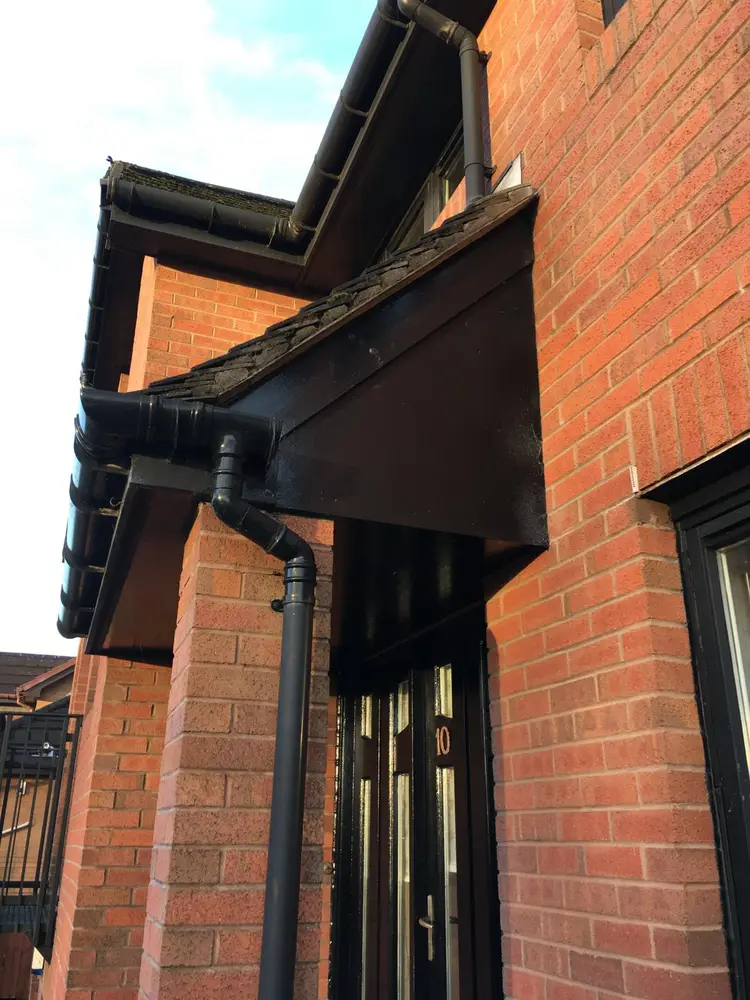
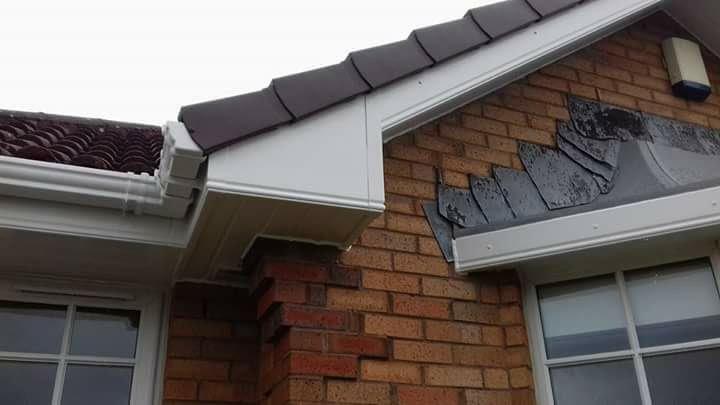
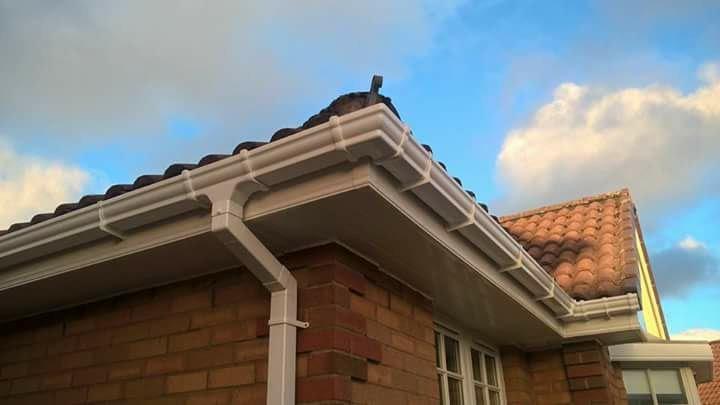
Real jobs by our own team. Ask to see more from your area when we survey.
Conservatory Roof Replacement in Linlithgow
From the characterful homes near the loch to the newer estates, Linlithgow has plenty of conservatories crying out for a warm tiled roof. F J Allan & Sons replace tired glass and polycarbonate conservatory roofs in Linlithgow with a warm, lightweight tiled roof conversion — turning a room you avoid into a comfortable, energy-efficient part of your home you can use all year round.
Replace your old roof with our tiled system and you get:
- Total Temperature Control — comfortable in July, cosy in January.
- Reduced Energy Bills — superior insulation that keeps heat where it belongs.
- Acoustic Comfort — no more shouting over rain on a plastic roof.
- Seamless Design — a wide range of tile styles to match your home.
Signs your conservatory roof needs replacing
If any of these sound familiar, a tiled roof conversion will fix them for good.
Too hot in summer, freezing in winter
Glass and polycarbonate offer almost no insulation, so the room is unusable at the extremes.
Rain is deafening
A plastic roof turns a light shower into a racket you can’t talk or watch TV over.
Leaks, stains or green algae
Old seals fail and polycarbonate discolours — a sign the roof is past its life.
Fading furniture and glare
Uncontrolled sun bleaches carpets and furniture and makes screens unreadable.
You’ve stopped using the room
The clearest sign of all — a tiled roof makes it a space you actually live in.
Why choose a roofer, not a window company?
Most conservatory roofs are fitted by window and conservatory companies. F J Allan & Sons are qualified roofers. Every conversion includes proper leadwork and a fully weathertight seal where the new roof meets your house — exactly the joint that leaks first when the work is done by a non-roofer. All our conversions meet Building Regulations, for complete peace of mind on structural safety and thermal efficiency.
What you get
Lightweight Structural Frames
Advanced lightweight timber or aluminium systems that replace old glass or polycarbonate without stressing your original window frames.
High-Performance Insulation
A multi-layered thermal barrier that traps heat in winter and reflects summer sun — slashing your energy bills.
Premium Tile Finishes
Slate-effect or traditional shingle finishes, colour-matched to your existing roof for a seamless, high-value look.
A Real Room Finish
Inside, a fully vaulted, plastered ceiling ready for paint — turning a cold garden room into a true extension of your home.
Tiled vs glass vs polycarbonate
Weighing up your conservatory roof options? Here’s how they compare.
Polycarbonate
Cheapest and most common — but thin, noisy in rain, poor insulation and prone to discolouring. The roof most people end up replacing.
Glass
Better looking and quieter than poly, but still a big heat-loss / solar-gain problem — hot in summer, cold in winter, priciest to run.
Tiled (what we fit)
A warm, solid, insulated roof that stays comfortable all year, cuts noise and bills, and gives you a real plastered ceiling inside. The long-term winner.
The process
Step 1: The Expert Survey
One of our team visits your home in Linlithgow to check the structure of your conservatory, take exact measurements and talk through tile choices and internal lighting.
Step 2: Safe Removal & Recycling
We carefully strip out the old, inefficient polycarbonate or glass roof, handle all the heavy lifting and dispose of the old materials responsibly.
Step 3: Weathertight in a Day
We fit the new lightweight frame and high-grade insulation, aiming to make the structure watertight on the very first day to protect your home.
Step 4: Tiling & Professional Leadwork
This is where our roofing heritage shows. We lay your chosen tiles and carry out precision leadwork so the seal between your house and the new roof is 100% leak-proof.
Step 5: Internal Finish & Handover
We plasterboard and skim the new vaulted ceiling, fit optional LED spotlights, then leave the room clean and ready for you to move back in.
What affects the cost of a conservatory roof in Linlithgow?
There is no one-size price for a conservatory roof in Linlithgow — the honest answer is that it depends. What changes the cost is:
- The size and shape of your conservatory (lean-to, Victorian, Edwardian, P-shaped).
- Tile choice and finish — lightweight slate-effect vs traditional shingle.
- Insulation specification and whether you want the full plastered ceiling and spotlights inside.
- Any structural work the survey flags on the existing frame or base.
That’s why we give a free, no-obligation survey and a clear fixed price — no pressure and no vague “from” figures that change later.
Areas we cover
Based in the Linlithgow area, we also cover Falkirk, Grangemouth, Larbert, Stirling, Cumbernauld, Airdrie and the wider Forth Valley and North Lanarkshire. Nearby: Bo’ness · Bathgate · Falkirk. You can also see our main conservatory roofing service or our Falkirk hub page. Not sure if we reach your street? Give us a call — chances are we do.
On the roofs of Linlithgow & nearby
Most Linlithgow conservatories are on the modern estates that ring the old town, in Springfield, Deanburn, Kettilstoun and out at Linlithgow Bridge, where commuter families use every room they have. A polycarbonate roof that turns the back room into a greenhouse in June and a fridge in January wastes exactly the space a home office or family room should be.
Because this is a historic town, looks matter too. Our tiled conversions come in finishes that sit comfortably in a place defined by stone and slate, and we match the tile to your own roof so the conservatory finally looks like part of the house rather than an add-on. Homes close to the High Street conservation area may need a quick permissions check with the council first, which we will flag honestly at the survey, and every conversion is built to meet Building Regulations.
Plenty of Linlithgow households commute to Edinburgh or Glasgow and need that conservatory to work as a five-day-a-week office, not just a summer room. A warm tiled roof holds an even temperature all day, cuts the glare that makes screens unreadable, and silences the rain that drowns out calls. One free survey, one fixed price, and a 10-year guarantee on the workmanship.
More about a conservatory roof in Linlithgow
Open any heading for the detail: what we do here, local roof types, prices, how to check a roofer, and storm claims.
Conservatory roof replacement in Linlithgow: two consents, and which one you actually need
The first question we are asked about conservatory roof replacement in Linlithgow is usually about permission, and the confusion is understandable because two separate consents are involved. A building warrant is about whether the structure is safe, dry and insulated. Planning permission is about how it looks and whether you are allowed to change it. They come from different departments of West Lothian Council and follow different rules.
The building warrant is needed for every solid roof, everywhere in Scotland. Once a conservatory roof is no longer mostly translucent the building is classed as an extension, and the standards for an extension apply: structure, insulation, drainage and fire spread. We prepare and submit the warrant for every tiled roof we fit and lodge the completion certificate at the end.
Planning permission is different. Changing the roof of an existing conservatory on a house does not usually need it. The exception in Linlithgow is the conservation area around the Palace, the loch and the High Street, where extra controls apply to alterations that change the appearance of a building, and any house that is listed, where listed building consent is a separate matter again. On the estates around the old town, from Springfield to Linlithgow Bridge, planning is rarely an issue. Where it might be, we tell you at the survey and help you check with the council before you commit to anything. Our guide to building regulations for conservatory roof replacement sets the two consents side by side.
Slate-effect and stone-coloured: roof finishes for a royal burgh
A tiled conservatory roof in a town defined by stone and slate should not announce itself. The systems we fit come in a range of lightweight tile options, and choosing between them is the most enjoyable decision on the job.
- Slate-effect tiles in graphite or charcoal, with a thin leading edge and a riven surface, sit quietly under a natural slate main roof on the older houses in and around the town centre. They are not slate, and they do not pretend to be when you get close, but from the garden they read as the same roof.
- Plain-tile and pantile profiles in slate grey, brown or terracotta match the concrete-tiled homes of the newer estates, and we pick the colour against your existing roof rather than from a swatch indoors.
- Ridge, verge and fascia details are finished in the same colour family so the eye is not drawn to the edges, and the gutter is matched to the house roofline.
Colour weathers. A new tile is a shade brighter than the twenty-year-old roof beside it and settles within a couple of seasons, so we sometimes choose a tone darker than the exact match. You can see finished roofs in our gallery. For a house whose real slate roof also needs attention, our slate roofing work in Linlithgow can be planned for the same visit.
Lime, rubble and cavity walls: fixing a roof to Linlithgow's houses
The point where the new roof meets the house wall decides whether a conversion stays dry, and Linlithgow’s walls vary more than most. On the older stone houses the wall is often rubble with lime pointing. Fixings go into sound stone, not the joints, and the flashing chase follows a course of the stonework so that it can be pointed back in lime rather than cement, which would trap moisture in the wall. On the brick and rendered cavity walls of the post-war and modern estates the detail is simpler: a stepped or straight lead flashing chased into the wall, with the render made good around it.
Where a conservatory sits under an existing upper roof or bay, we check how the two drain into each other. A tiled roof sheds water faster than plastic, and a gutter that coped with polycarbonate can be overwhelmed at the corner. It is a small thing to size correctly at the start and a wet ceiling if it is missed.
Daylight, roof windows and the working-from-home test
The worry we hear most in Linlithgow is that a solid roof will make the room dark. In practice the walls stay fully glazed, the ceiling is plastered white and lit with downlights, and the difference people notice is the loss of glare rather than the loss of light. For a room used as an office five days a week that is the point: a screen you can read at two in the afternoon and a temperature that does not swing with the sun.
Where a room would genuinely miss its sky, we build one or two roof windows into the new roof. Position matters: over a desk or a dining table rather than in the middle of the roof, and on the side away from the afternoon sun if glare is the problem you are solving. Opening units give the room a way to vent in summer. Because roof windows are fitted and flashed as part of the roof, not cut in afterwards, they are priced and planned at the quote stage; our roof window installation in Linlithgow is part of the same trade.
When we say no to a Linlithgow conversion
Not every conservatory should carry a tiled roof, and we would rather lose a job than fit one that will not work. We say no when the pitch is below the minimum the tile system allows and cannot be raised, when the frames or eaves beam cannot be made sound at a sensible cost, when a listed building would not get consent for the change, or when a lean-to tucked under a first-floor window has no height to give. In each case we explain the reason and the alternatives: a new glass roof, strengthening work priced separately, or, occasionally, replacing the frames first. What you will not get is a solid roof balanced on a structure that cannot take it, or a warrant application we know will fail.
Conservatory roof FAQs
How long does a conservatory roof replacement take?
Most conservatory roof conversions in Linlithgow take between 3 and 7 days, depending on size and design. We aim to make your conservatory watertight on the first day.
Will I need planning permission or building control?
A tiled conservatory roof replacement usually falls under permitted development, but it does need to meet Building Regulations. We design every conversion to comply.
Will the new roof leak where it meets my house?
Not when it’s done by roofers. Our precision leadwork and weathertight detailing at the join is exactly where non-roofers get caught out.
Can you match the tiles to my house?
Yes. We offer a wide range of slate-effect and shingle finishes and colour-match to your existing roof.
How much does a tiled conservatory roof cost?
Every conservatory is different, so we give a free, no-obligation quote after a quick survey — a clear fixed price, no pressure.
Do I need planning permission to put a tiled roof on my conservatory in Linlithgow?
Usually not. Changing the roof of an existing conservatory on a house does not normally need planning permission. The exceptions are homes in the conservation area around the Palace and High Street, where extra controls apply to changes in appearance, and listed buildings, which need listed building consent. We flag either at the survey and help you check with West Lothian Council before you commit.
Is a building warrant still needed if my house is outside the conservation area?
Yes. The warrant has nothing to do with conservation status; it applies to every solid conservatory roof in Scotland because the building becomes an extension once its roof is no longer translucent. West Lothian Council Building Standards issues it, the work cannot start until it is granted, and we handle the application and the completion certificate for you.
Can a tiled conservatory roof look right beside natural slate?
It can, if the tile is chosen with care. Slate-effect lightweight tiles in graphite or charcoal, with a thin leading edge, sit comfortably under a real slate roof when seen from the garden. They are not slate and we will not tell you otherwise, but with matching ridge, verge and gutter colours the conversion reads as part of the house rather than an addition.
Which lasts longer in Linlithgow, a glass roof or a tiled one?
A tiled roof. Glazed units are good for twenty years or more, but their seals eventually fail and the panes fog, and the bars and gaskets around them age in the weather. A tiled roof over insulation has no seals to fail; the tiles and insulation carry manufacturer guarantees measured in decades, and our 10-year workmanship guarantee covers how it was built.
How much does a conservatory roof replacement cost in Linlithgow?
A warm tiled roof starts from around £5,000 for a small lean-to and runs to £7,000 to £10,500 for a typical Edwardian and £9,500 upwards for a Victorian or P-shape, with slate-effect tiles and roof windows adding to the figure. A new glass roof costs roughly £3,500 to £7,000. Every price we give is fixed in writing after a free survey.